
Welding Blankets in the UAE: Types, Uses, and How to Choose the Right One for Your Site
Welding and fabrication work can expose nearby surfaces, equipment and workers to sparks, intense heat and molten metal splatter. A welding blanket creates a heat-resistant barrier that helps protect surrounding areas during hot work.
For buyers, the right blanket depends on the material, temperature exposure, size, fastening method and working environment. This guide explains the main welding blanket types, their common UAE applications and the factors to consider before purchasing from a welding blanket supplier in UAE.
Quick Answer: Welding blankets are heat-resistant barriers used to protect nearby surfaces, equipment, and work areas from welding sparks, intense heat, and molten-metal splatter. The right blanket depends on the type of welding, heat exposure, material, size, and site conditions. Common options include fiberglass, vermiculite-coated, silica, and leather-faced blankets, each suited to different industrial applications.
What Does a Welding Blanket Actually Do?
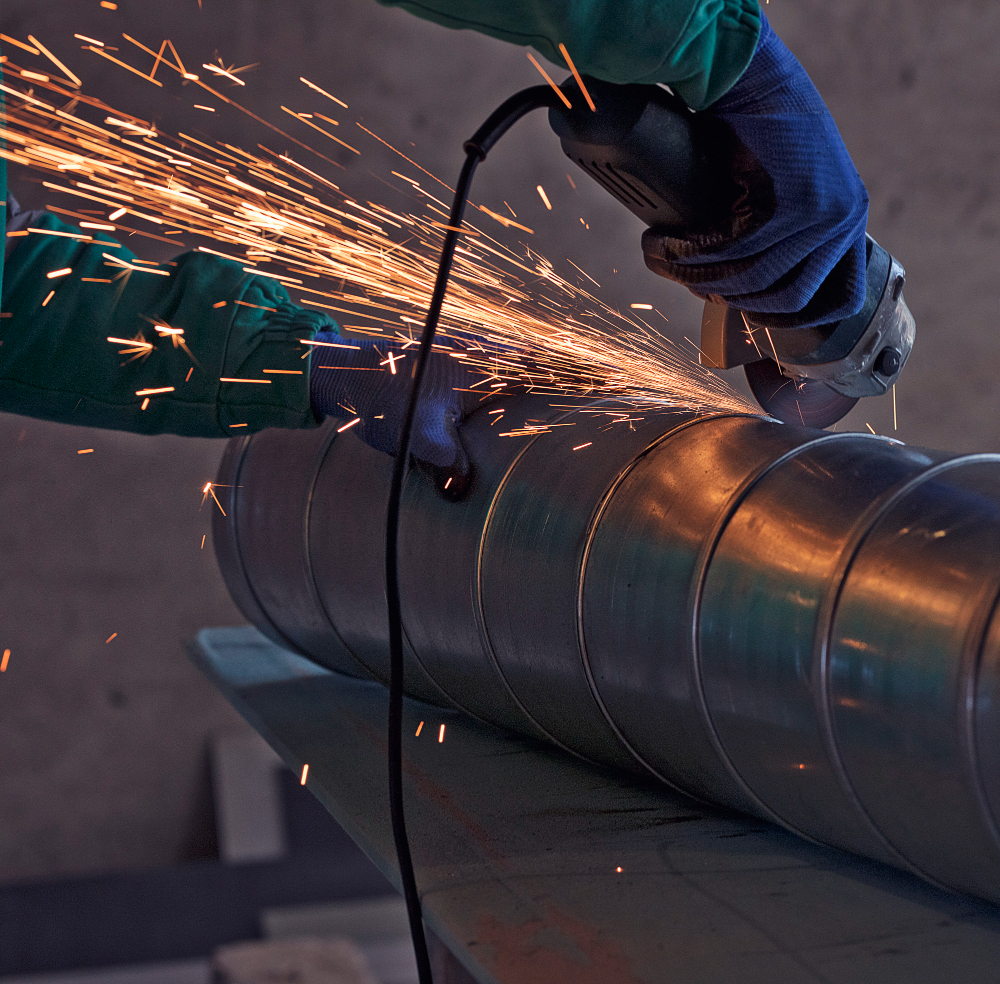
A welding blanket is a heat-resistant barrier that protects nearby surfaces and equipment, floors, walls and other areas from the splatter of molten metal, hot particles and welding sparks. It can be installed under, beside or around hot-work areas while welding, cutting, grinding and other fabrication processes are performed.
Welding blankets are used to protect the surrounding work area, but they cannot replace personal protective clothing, such as welding gloves, helmets or jackets. Blankets offer flexible heat/spark protection around close by surfaces and equipment, as compared to welding curtains that help to shield people from welding arc radiation.
Key Takeaway Don't choose a welding blanket based only on the highest temperature number. The type of welding, duration of exposure, molten-metal contact, required coverage and site conditions should all influence the specification.
Welding Blanket Materials and Types
Various welding jobs demand various blend of heat resistance, flexibility and strength. Technical data must always be verified prior to purchase as the exact performance will vary according to the fabric construction, its thickness, the coating and manufacturer specification.
| Welding blanket type | Key characteristic | Typical consideration |
| Fiberglass | Heat-resistant and flexible | General welding, fabrication and maintenance |
| Vermiculite-coated | Enhanced resistance to heat and sparks | Higher-heat welding and fabrication applications |
| Silica | Designed for demanding thermal exposure | High-temperature industrial applications |
| Leather-faced | Durable and abrasion-resistant | Heavy handling and rugged work environments |
Fiberglass Welding Blanket
A fiberglass welding blanket is commonly used where protection from welding sparks, radiant heat, and hot particles is required. It works as a spark protection blanket around welding and fabrication areas, helping shield nearby surfaces and equipment from hot particles.
There may also be fiberglass blankets available that are treated or coated to increase their resistances to abrasion, moisture or molten metal splatter. The choice of specification will depend on the application and level of exposure.
Vermiculite Welding Blanket
The vermiculite coated blanket employs a coating that enhances the fabric's ability to resist high temperature and sparks. This type can be useful in challenging welding and fabrication situations where more contact resistance to molten metal is desired.
It is important to look at manufacturer's specifications for operating temperature and application restrictions, not the coating.
Silica Welding Blanket
Silica fabrics come in various types, each suitable for specific uses, including those with extreme heat exposure. If the thermal conditions of the work are outside the range of the standard fabric blanket, a silica welding blanket can be used.
As for other materials, the best specification is best determined by what heat, duration and application the material will see and not solely by the material's highest advertised temperature rating.
Leather-Faced Welding Blanket
Leather-faced blankets offer long-lasting protection in situations where resistance to abrasion and sparking are a concern. They can be useful in fabricating areas that have a lot of blankets being moved, folded or handled in harsh working environments.
Take note that when evaluating materials, there's a lot more to it than just temperature ratings. The type of construction, thickness, flexibility, stitching, and wear resistance of fabric may all affect the usefulness of a blanket in an active worksite.
Where Are Welding Blankets Used in the UAE?
Welding blankets have applications across UAE industrial environments where welding, cutting, grinding and other hot-work activities are carried out.
Pipeline and Fabrication Work
Pipeline fabrication involves welding, cutting and grinding activities that can generate significant quantities of sparks and hot particles. A welding blanket for pipeline/fabrication work can be positioned around the work area to help protect adjacent surfaces and equipment.
Oil & Gas Maintenance
Oil and gas maintenance environments often require controlled hot-work practices. Welding blankets can form part of site-specific protection arrangements during maintenance, repair and fabrication activities.
The choice of blankets should always be based on the hot-work requirements and likely heat exposure of the site.
Shipyards and Marine Work
Shipbuilding and ship repair is extremely involved with welding and metal forming and frequently will have to be done in difficult or hard to access areas. Use of flexible heat-resistant fabric to create a barrier to protect other surfaces and components in the immediate vicinity from sparks and molten metal splatter.
Construction and Industrial Sites
A lot of welding and cutting around the structural steel, equipment and installed materials is required in construction projects. When buying a welding blanket in the UAE, one needs to take into account the workplace conditions, especially if the blanket is to be kept outdoors or handled repeatedly or over a large scale in the fabrication process.
Industrial locations such as Jebel Ali Free Zone and other UAE manufacturing and fabrication hubs can have diverse hot-work requirements, making appropriate product selection important during procurement.
How to Choose the Right Welding Blanket
Before approaching a welding blanket supplier in UAE, identify the conditions in which the blanket will actually be used.
- Check the Temperature Rating
Check the manufacturer's stated temperature rating and whether it is suitable for continuous or intermittent exposure. Also confirm whether the blanket is designed for direct molten-metal contact or mainly for heat and sparks.
- Select the Correct Size
Choose a blanket size that provides sufficient coverage for the surface or equipment you need to protect. Larger blankets work well for wider fabrication areas, while smaller ones are easier to handle during maintenance.
- Consider Grommets and Fastening Options
Grommets, reinforced edges, and fastening points make it easier to secure the blanket around equipment or structures. They are especially useful outdoors or in areas where wind could cause the blanket to move.
- Think About Indoor vs. Outdoor Conditions
For outdoor work in the UAE, consider exposure to heat, dust, and wind alongside welding conditions. Choose a blanket with suitable durability and handling characteristics for repeated outdoor use.
- Match the Blanket to the Hot-Work Activity
Different activities such as MIG/TIG welding, heavy fabrication, grinding, and cutting can create different levels of heat and spark exposure. Select the blanket material and construction according to the specific requirements of the job.
Compliance and Standards to Check
When purchasing welding-related protective products, buyers should ask for applicable technical documentation and test information rather than assuming every heat-resistant fabric meets the same requirements.
ANSI Z49.1, Safety in Welding, Cutting, and Allied Processes, is an important reference for hot-work safety practices. It addresses safe welding and cutting operations, but it should not automatically be interpreted as a product certification for an individual welding blanket.
EN ISO 11611 relates to protective clothing for welding and allied processes. It covers protective clothing intended to protect the wearer against hazards including molten-metal spatter, short-term flame contact and radiant heat. It is therefore more directly associated with welding protective clothing than with blankets themselves.Buyer Tip Ask for the specific blanket's technical datasheet, temperature rating, material construction and applicable test documentation. Do not assume that a general reference to ANSI or EN standards means a particular blanket is certified to that standard.
Choose the Right Welding Blanket for Your Application
The proper welding blanket for a specific situation will depend on the actual conditions of the work: exposure to heat, welding process, need for coverage, worksite environment and frequency of use.
Bright Weld Middle East FZE supplies welding, industrial, safety and oil & gas products from its Jebel Ali Free Zone location in Dubai. As a welding accessories supplier UAE customers can approach, the company can help buyers identify products according to their project and application requirements.When you are looking for a welding blanket for fabrication, maintenance, construction or industrial hot work, talk to Bright Weld Middle East about your needs. They also have a product range and catalogue from which you can get more information.